Breast cancer &
breast surgery recovery
You are not alone in your recovery from breast cancer surgery and treatment.
Something I discovered after my breast cancer diagnosis and bilateral mastectomy, was the lack of attention paid to recovery. A crucial step in healing from breast cancer is post-surgical and post-treatment care. Physicians and surgeons are often solely focused on removing and treating your cancer, but may overlook rehabilitation and quality of life. This is why I am passionate about offering care to people recovering from breast cancer.
There are many manual therapies and exercises that can help with quality of life after a breast cancer diagnosis and treatment (surgery, radiation, and chemotherapy). Hands-on treatments can include manual lymphatic drainage for post operative swelling and lymphedema prevention, scar tissue integration (for both surgical and radiation scar tissue), myofascial and neuromuscular work for surrounding muscles, gentle exercises to encourage range of motion, and cranial work to activate the parasympathetic nervous system.
We can also help reduce and treat common complications including axillary web syndrome (cording), thoracic outlet syndrome, neuropathy, pain, and early lymphedema. No matter your stage of healing - whether you are still receiving treatments or are 10 years out from surgery - this work can help.
These therapies are appropriate and recommended for mastectomies, lumpectomies, and reconstruction surgeries and post-radiation or chemo treatment. It can also be very helpful after breast implants, explants, reductions, and gender affirming surgeries. Please reach out with any questions.
90 minutes - $150
~Packages available for reduced cost per session.
~While I do not accept insurance, I will happily provide a super bill for insurance reimbursement.
~I understand the burden of health care costs. If cost is an issue, please reach out and we can discuss payment. I do not want cost to get in the way of care.
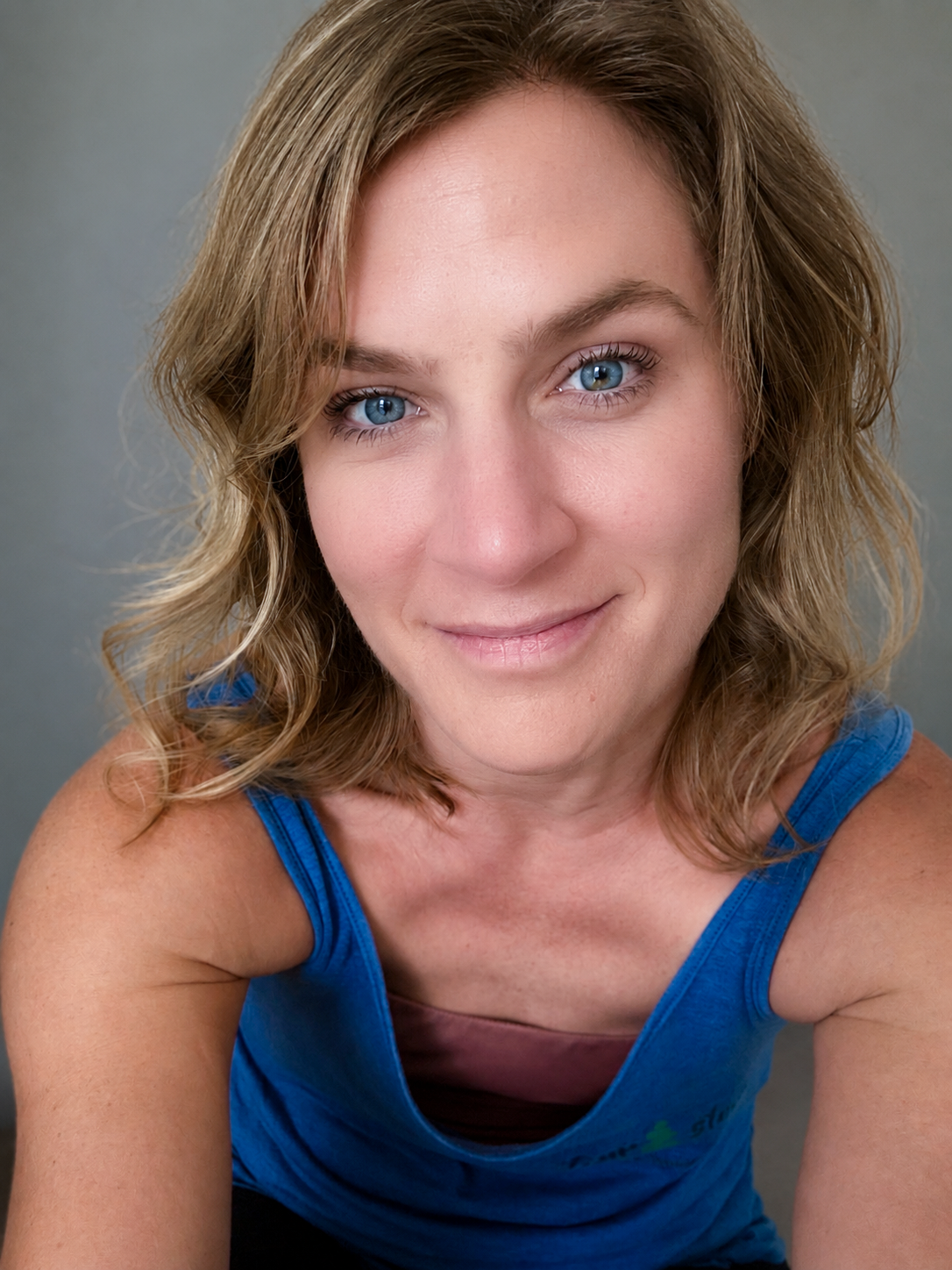
Okay, let’s get personal for a moment.
I have been coming to terms with the realities of breast cancer for the last 30 years. When I was 11, my mom was diagnosed with breast cancer at the age of 41 and after a long, brave battle, passed away at aged 51.
Two weeks after my 40th birthday, I was diagnosed with breast cancer. Fortunately, I was getting advanced screening so it was caught in the early stages. I was given the option of a lumpectomy, radiation, and hormone therapy or a bilateral mastectomy. Because of my genetic mutation (PALB2) and age, the chance of reoccurrence was much higher than normal, so I opted for a bilateral mastectomy with no reconstruction.
While I had little pain, almost immediately after surgery, I developed axillary web syndrome (cording) and a seroma. The surgeon told me to “just massage it.” Frustrated with the lack of recovery direction or hands-on guidance, I used my training and knowledge of post-surgical manual lymphatic drainage and massage, as well as some online resources (Cancerrehabpt.com) to work on myself.
I learned from others that this experience was common. Most breast cancer patients receive little to no manual therapy treatments or exercise guidance after surgery and radiation. It makes no sense to me! After a knee or shoulder surgery, someone would be prescribed physical therapy, but after a life-threatening diagnosis and amputation…nothing!
I decided I needed to help bridge that gap in care by offering manual therapy and exercise guidance for other breast cancer survivors. I completed two courses in Breast Cancer Rehabilitation from Klose Lymphedema Training and a certification in Breast and Chest Surgery Recovery from The Mastectomy Guide and will continue to learn.
We are fortunate to live in a time when advanced screenings and medical treatments allow for a 90% survival rate for breast cancer patients. Now we need to focus on the quality of life after cancer treatments so that we may continue forward with confidence and strength.